Grounding
Grounding After a Competitive Game Gets Under Your Skin
Try a brief post-game grounding practice that separates the result, unresolved conduct and the next ordinary part of your evening.
Grounding after a competitive game can help create a pause between an intense result and the rest of the evening. Perhaps you keep replaying a mistake, feel irritated by a rival or cannot settle after winning. The purpose is not to pretend you did not care. It is to stop the score from becoming the only thing your attention can hold.
Finish any immediate responsibility first: put equipment somewhere safe, thank the organizer if appropriate and arrange your way home. Do not begin a closed-eye practice while walking through a car park or driving. Once you are seated or standing securely, notice three ordinary features of the place around you that are unrelated to the game.
Name the result without expanding it
Let your hands rest without recreating the last move. Notice a surface, the weight of your shoes or a patch of steady light. You can keep your breathing ordinary. Say the result in one factual sentence: “We lost the final round,” or “I won and still feel keyed up.” Leave out conclusions about your entire ability or worth.
Give any legitimate concern its own sentence. An argument about conduct, an equipment problem or an unclear rule may deserve a later conversation. Write a reminder rather than trying to settle the issue while repeatedly replaying the competition. Grounding is not a requirement to forgive bad behavior or agree with a decision you want to question.
Mark the end of the activity
Choose a clear transition that does not punish you for feeling strongly. Put away the game materials, change into comfortable clothes or start the meal you had already planned. You are marking that the activity has ended for now. Avoid demanding an immediate good mood; you can do something ordinary while disappointment or excitement is still present.
If you want to review performance, choose a later time and one question you can learn from. “What would I practice before next week?” is more workable than an endless reconstruction of every possible alternative. The pause gives the review a boundary. It also protects the people sharing your evening from being drafted into a debate that has no finishing point.
Return to the rest of the evening
In energy-work language, this is a way of bringing attention back into the life around the contest. It does not alter the result or guarantee a different mood. A game can matter without occupying every room you enter afterward. The practice is complete when you can choose the next ordinary action, even if the final score still occasionally returns to mind.
Explore more Guided Energies practices.
Photograph and attribution
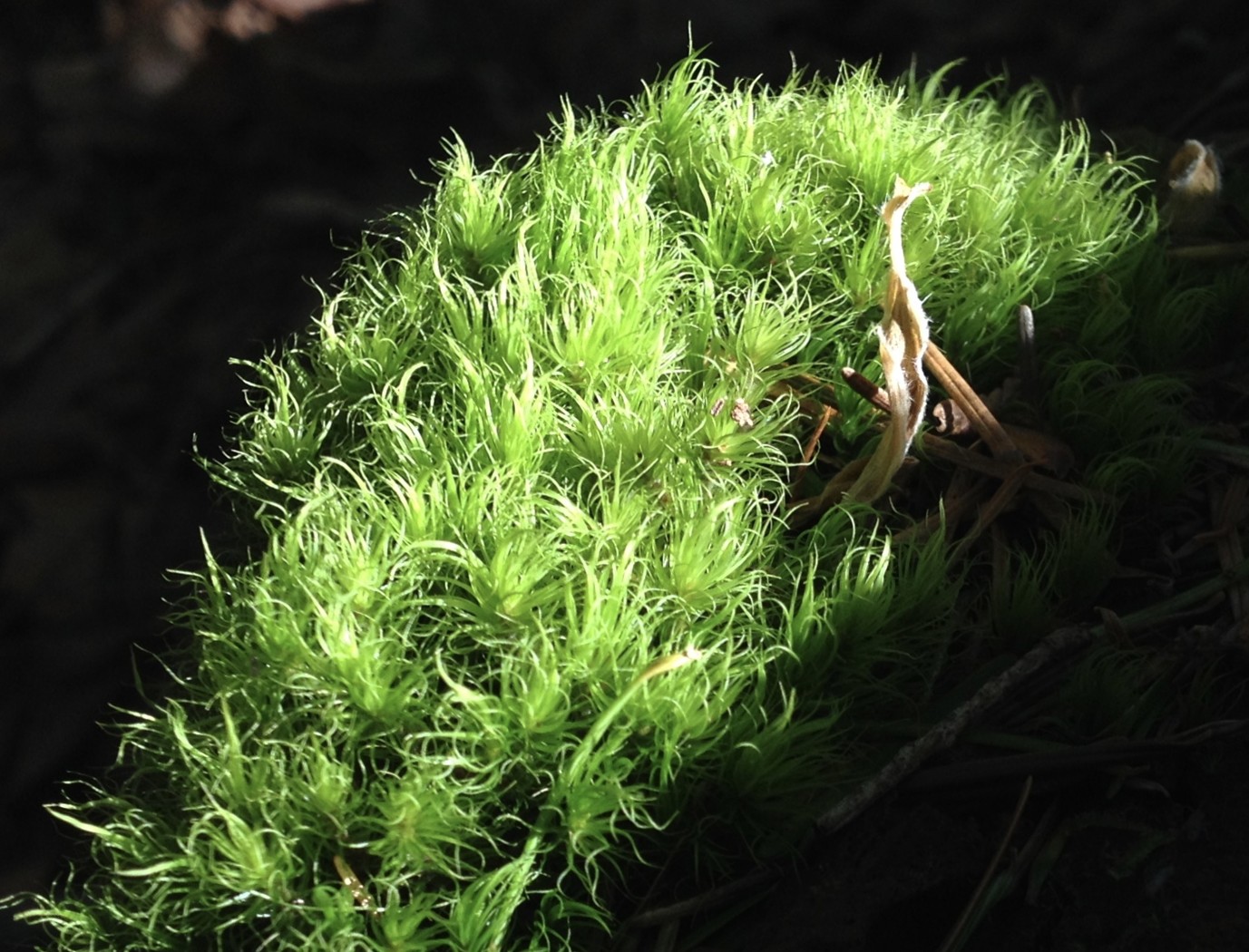
Symbolic real nature photograph for a post-game grounding pause; not the setting of a client experience. Photo: Billyshiverstick; CC BY-SA 4.0. Display copy resized. Original photograph and rights record. License terms.