Creative Energy
A Grounding Pause Before Sharing Your Creative Work
Prepare to share a poem, painting or other creative work with a grounded purpose, a clear feedback request and room for an ordinary human response.
Sharing creative work can make a small action feel unusually exposed. You have made a drawing, poem or song, and now a message with an attachment seems harder than the work itself. Guided attention can help you choose how to share without promising approval or asking you to feel completely confident before pressing send.
Start by defining what you are sharing and why. A rough draft sent to a trusted reader is different from a finished piece posted publicly. You may want encouragement, a technical observation or simple company in having completed something. Naming the purpose prevents a general request for feedback from becoming a test of whether your work, or you, deserve to exist.
Arrive before you send
Place the work where you can see it, or look at its filename if it is digital. Feel one ordinary point of contact with your surroundings. Take a comfortable pause without trying to manufacture excitement. You can be nervous and still make a deliberate choice. No visualization, special object or unusually calm state is required.
Choose a person or setting suited to the request. Somebody who enjoys you may not know how to critique a song, while a skilled reviewer may need a clear question about what is unfinished. Ask whether they have time before sending a large amount. Consent and context make feedback more useful than surprising somebody and then measuring the speed of their response.
Ask for the kind of response you want
Write one specific request: “Does the opening make the setting clear?” or “I am not seeking critique today; I wanted to share that I finished.” You cannot control every reaction, but you can communicate the invitation. Avoid requesting brutal honesty when what you actually want is careful, constructive attention. Precision is kinder to the work and the reader.
After sharing, give your attention another place to go. Put away the device briefly or begin an ordinary task. Silence may mean the person has not had time to engage; it is not an immediate review. When feedback arrives, consider its relevance before revising everything. A preference is one person’s response, not a command to erase your own purpose.
Keep authorship after feedback
Finish by recording what the act of sharing taught you: whether the setting fit, whether the question helped and what you would change next time. You do not have to turn one response into a prediction of your creative future. The grounded achievement is that you chose a way to let the work meet another person while keeping your own relationship with it intact.
Explore more Guided Energies practices.
Photograph and attribution
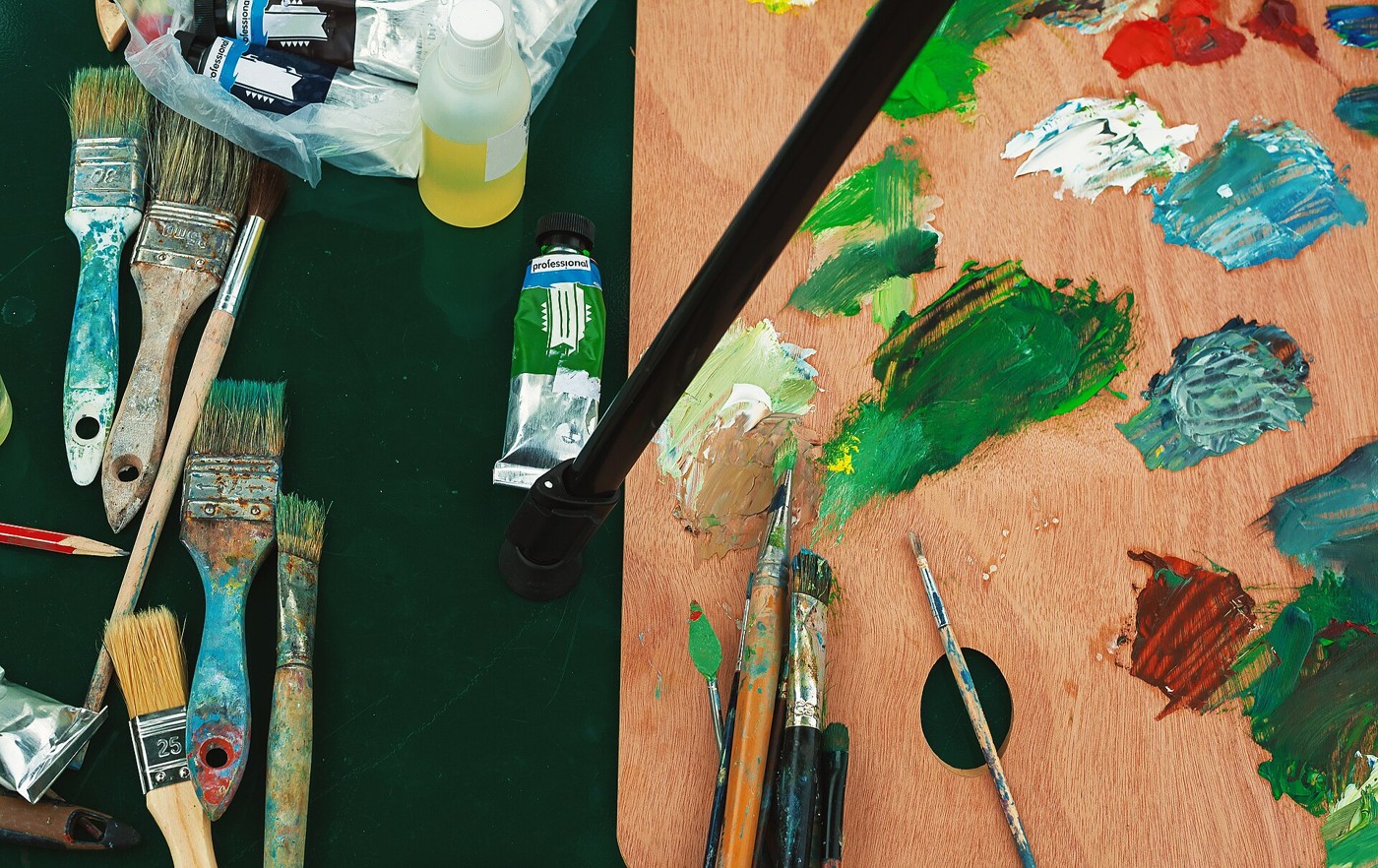
Representative real photograph of art materials for sharing creative work; not a client project or an artwork being reviewed. Photo: Dejan Krsmanovic; CC BY 2.0. Display copy resized. Original photograph and rights record. License terms.