Energy & Spirituality
A Small Spiritual Altar in a Shared Home: Meaning Without Taking Over
Create a small personal reflection space while respecting shared rooms, different beliefs and the practical needs of the people who live with you.
A spiritual altar can be a simple place to pause, remember your intentions and return to your own attention. In a shared home, the challenge is making that space meaningful without treating the entire room as yours to arrange. A small, thoughtful corner can serve you well.
Begin with the purpose rather than a shopping list. Do you want a place for quiet reflection, remembrance, gratitude or a daily intention? Knowing what you want to practice makes it easier to choose a few objects and explain the space to someone who does not share your beliefs.
Agree on the location
Look for a surface that is genuinely available. A personal shelf or a small tray in your room may be easier than the dining table everyone uses. If the space is shared, ask before changing it and make clear what you hope to keep there.
You do not need to convince a housemate that an object has spiritual importance to you. You do need an arrangement that respects their access to the room. A useful agreement includes where the items belong and when they may need to be moved.
Choose objects that have a purpose
A photograph, a stone, a journal or a small plant may be enough. Let each item connect with the practice you named. The aim is a place you can use, rather than a display that becomes too crowded to approach.
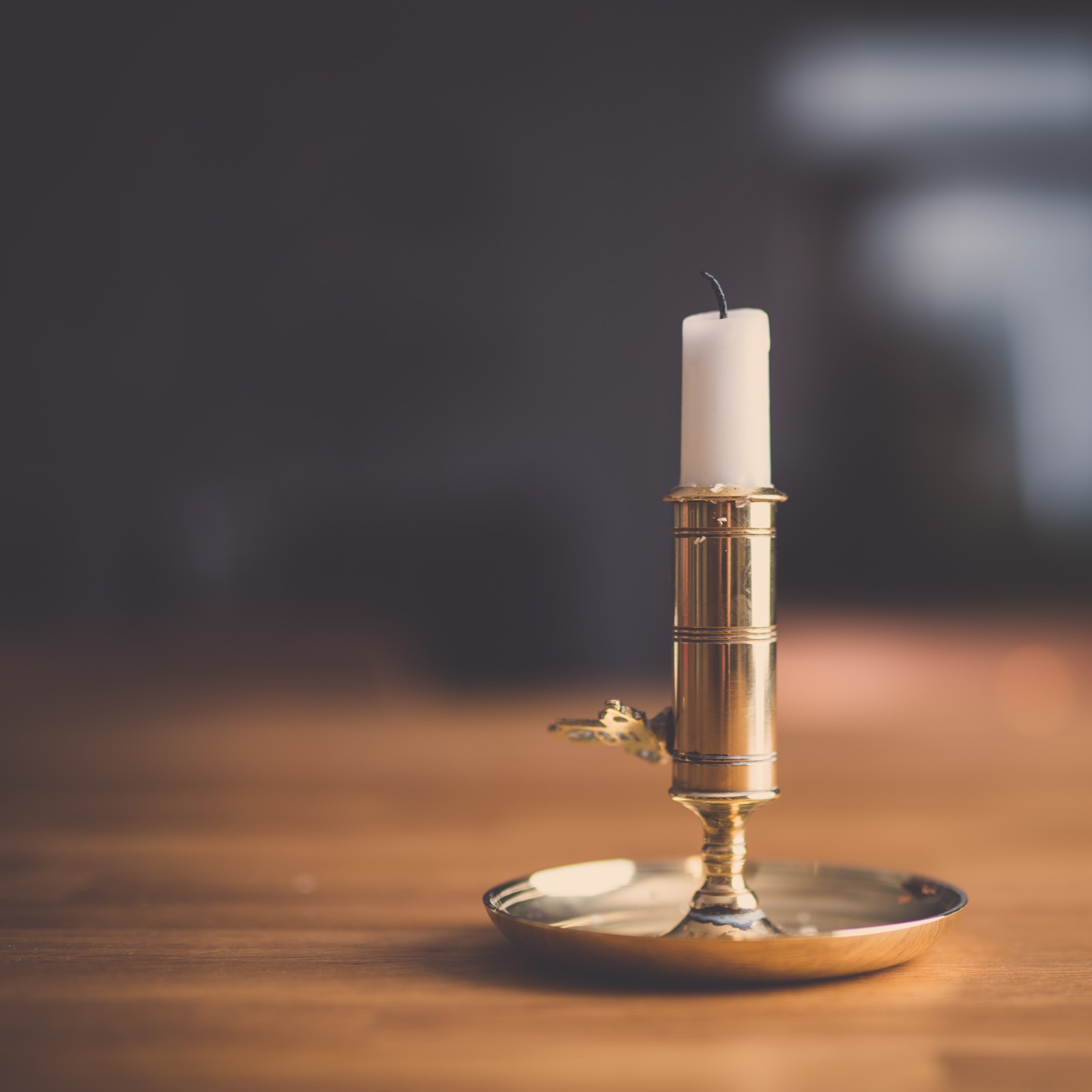
If you choose a candle, consider a flameless version in shared accommodation. Keep any actual flame attended and away from fabrics, shelves and pets. A reflection practice does not become more meaningful because it creates a household hazard.
Keep the ritual brief and personal
Try a simple beginning: sit comfortably, name one feeling and write one intention for the day. You might say, “Today I want to answer slowly instead of agreeing automatically.” Finish by choosing an action that supports that intention.
Your ritual need not include someone else. Avoid assigning spiritual meanings to a housemate’s behavior or using the altar to imply that everyone must participate. A personal practice works better when its boundaries are clear.
Make it easy to maintain
A tray can keep the items together and make moving them straightforward. Clean the surface regularly and remove things that no longer support the practice. If the space becomes another source of guilt, reduce it to one object and your journal.
Revisit the household agreement when needs change. Guests, new furniture or a different work routine may require an adjustment. Flexibility does not erase your spiritual commitment; it helps the practice fit the life around it.
The useful result is a place where you can return to yourself while continuing to live considerately with others. A modest altar can hold plenty of meaning when the attention you bring to it is your own.
Explore Brittney’s intuitive sessions at Guided Energies or browse the spiritual guidance library.
Photograph: Janko Ferlič thepootphotographer; CC0. Original photograph and rights record. License. Resized for display; the photograph retains its original license. Representative image, not a client, advisor or documented reading.